
How we can help
Support for People Experiencing Domestic Abuse
Every person’s situation is different, which is why we provide tailored guidance based on your individual circumstances. Whether you’re seeking immediate protection or preparing for family court, we’re here to help you feel informed and supported.

Protective Court Orders
Guidance on applications for Non-Molestation Orders, Occupation Orders and Emergency Protection Orders where appropriate.
Child Arrangements
Helping parents protect children where domestic abuse is a factor in family court decisions.
Court Preparation
Supporting litigants in person with paperwork, evidence, court bundles and understanding what to expect on the day.
Ongoing Emotional Support
Providing reassurance, practical advice and someone in your corner throughout your case.
What Is Clare’s Law?
Clare’s Law, officially known as the Domestic Violence Disclosure Scheme, allows the police to disclose information about a person’s history of domestic abuse where they believe it is necessary to protect someone who may be at risk.
The scheme was introduced following the death of Clare Wood in 2009. Her former partner, who later murdered her, had a known history of violence against women that she was unaware of.
Today, Clare’s Law gives people a way of asking whether a current or former partner has a record of abusive behaviour. It also allows friends and family members to raise concerns if they believe someone they know could be at risk.
Every application is considered individually. The police will only disclose information where they believe it is lawful, necessary and proportionate to do so.
Considered insights on the law that affects you
That Family Law Guy: Unfiltered
Our founder’s podcast and articles unpack the legal issues we see most often. In plain english, free the access.

Episode 1
Does Family Court Enable Continued Abuse? | Court Red Flags
With Lejla Dauti, Carrie and Louise Cadman
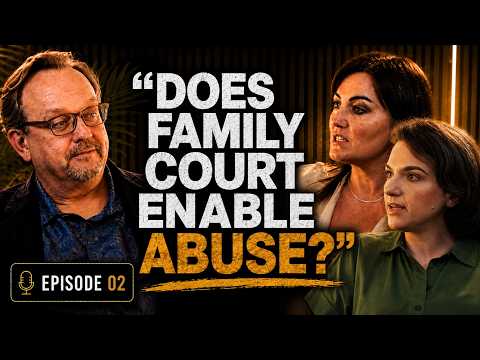
Episode 2
Can Domestic Abusers Change? | Protect, Punish or Prevent?
With Lejla Dauti, Carrie and Louise Cadman

Episode 3
Do Paying Fans Think They Own You? | Unfiltered Podcast
With Irshad Azmutally, Lucie Maguire and Vicci Stephens

Episode 5
When Does an Argument Become Domestic Abuse? | Red Flags
With Lejla Dauti, Carrie and Louise Cadman

Episode 6
Why Are Women on OnlyFans Judged So Harshly? | Unfiltered Podcast
With Irshad Azmutally, Lucie Maguire and Mike Tunney

Episode 8
Do False Abuse Claims Harm Real Victims? | Family Court
With Lejla Dauti, Carrie and Louise Cadman

Episode 4
Can Family Court Take Your Child Away? | A Father’s Story
With Andrea, Camilla Khawaja and David

Episode 9
OnlyFans, Allegations & the Cost of Family Court | Unfiltered Podcast
With Lucie Maguire, Vicci Stephens and Mike Tunney
McKenzie Friend Support
McKenzie Friend Support Following a Clare’s Law Disclosure
Finding out that someone has a history of abusive behaviour can be overwhelming. It’s natural to feel uncertain about what to do next, especially if children are involved or you’re already dealing with Family Court proceedings. At McKenzie Picave, we understand that people often need reassurance as much as they need guidance.
If court proceedings become necessary, we’ll explain how the process works and help you prepare your case. Because McKenzie Picave works alongside legal professionals every day while remaining independent, we’re able to offer practical guidance that’s focused entirely on supporting you. We can also discuss whether other forms of protection, such as a Non-Molestation Order, may be appropriate depending on your circumstances.
Every family is different, which is why we take the time to understand your circumstances before discussing the next steps. Building trust is an important part of the support we provide, particularly when you’re facing difficult decisions about your future.
Contact Us
Confidential, no-obligation consultation
For more information or to request a callback, please fill in the form below. A member of our team will respond shortly.

Tell us what’s happening and what you need.

We help you organise documents, write statements and know what to expect.

We are by your side for every hearing and every step after.
Frequently Asked Questions
Who can apply under Clare's Law?
Anyone who is concerned about their own relationship can apply under Clare’s Law.
Friends, relatives and other people who are worried about someone else’s safety can also ask the police to consider making a disclosure. The application starts a safeguarding process rather than guaranteeing that information will be released.
How do I apply for Clare's Law?
You can apply by contacting your local police force either online, by telephone or in person.
The police will usually ask questions about the relationship and carry out checks before deciding whether any information should be disclosed. The process may involve meeting with officers to discuss the circumstances in more detail.
Can Clare's Law help if I have children?
Clare’s Law can be particularly important where children are involved because it may help you better understand potential risks before making decisions about the future. If you’re already involved in Family Court proceedings, the information disclosed may become relevant depending on the issues before the court. McKenzie Picave can help you understand how that information may affect your case and the decisions you make going forward.
Can information from Clare's Law be used in family court?
Information disclosed under Clare’s Law may become relevant in family court proceedings, although every case is different.
Whether it can be relied upon will depend on the nature of the information, the issues before the court and any additional evidence that may be available.
Recent articles
Stay informed with the latest insights, updates, and guidance from the team at McKenzie Picave. Our recent articles cover topics across family court proceedings, legal support, mediation, and real-life issues affecting individuals and families today.

UK Family Court Delays
The UK Family Court System Is Under Immense Pressure — But Is Meaningful Reform Politically Attractive? The UK family court system is struggling under the weight of rising caseloads, limited resources a...

“It could happen…”
McKenzie Picave is delighted to announce the elevation of our very own Daniel Ryan to the new title of Lord Justice Daniel Ryan sitting in the Family division of the High Court. Okay, maybe not but just...

McKenzie Friend v Solicitor
McKenzie Friend vs Solicitor: What Is the Difference in the Family Court? The difference between a McKenzie Friend and a solicitor in the family court is significant. A solicitor is a legally qualified ...